CRETI Launches AI Cohort Focused on NOI Growth
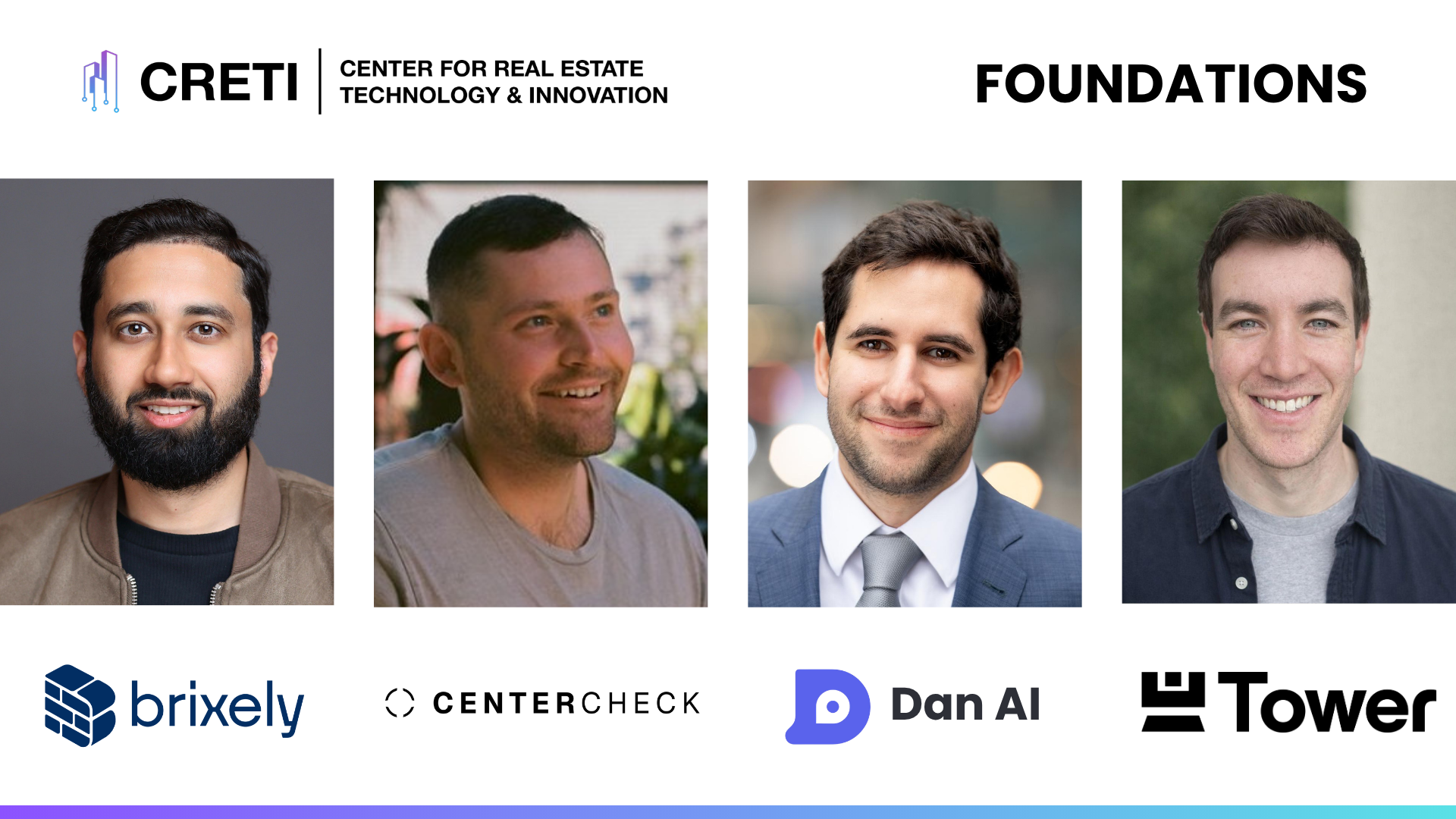
Brixely, CenterCheck, Dan AI, and Tower join the latest Foundations AI cohort focused on underwriting, leasing, and transaction workflows in retail, data centers, multifamily, and commercial real estate.
As pressure builds across commercial real estate to move faster and operate with greater precision, the Center for Real Estate Technology & Innovation has introduced its latest Foundations cohort. The group brings together a set of early-stage companies focused on improving how decisions get made across diligence, leasing, and deal execution.
“Markets like this reward precision,” said Ashkan Zandieh. “The next phase of proptech will come from systems that help teams make better decisions earlier, with clearer information and fewer blind spots.”
What stands out about this cohort is its focus on execution. Rather than adding another layer of reporting, these companies are targeting the underlying workflows that drive transactions and portfolio performance.
Cohort Overview
The latest Foundations group includes four companies approaching the market from different angles but sharing a focus on improving how work actually gets done.
Brixely — Led by CEO and Co-Founder Varinder Saini, Brixely focuses on due diligence for institutional commercial real estate funds and transaction teams. The platform helps teams evaluate assets earlier in the process, apply consistent underwriting standards, and identify potential risks before capital is committed. More than $1 billion in transactions have run through the platform across asset classes, including data centers, retail, medical office, and high-rise properties.
“We joined CRETI to be closer to the institutional CRE teams we’re built for, sharpen how we serve them, and build lasting relationships with potential users and investors who share our focus on the industry,” said Saini.CenterCheck — Founded by CEO and Co-Founder Carter Russ, CenterCheck is focused on one of retail real estate’s longest-standing blind spots: reliable store-level sales data. The platform provides detailed visibility into sales performance, shopper demographics, and transaction behavior across stores, malls, and shopping centers. That level of clarity allows owners and operators to better understand tenant productivity and make more informed leasing and portfolio decisions.
“We joined CRETI to further integrate into the CRE ecosystem, expand our customer base, and connect with investors aligned with our growth,” said Russ.Dan AI— Led by CEO and Founder Josh Siegelman, Dan AI is focused on improving how leasing professionals source and close deals, particularly in the retail sector. The platform combines proprietary data with workflow tools to support tenant matchmaking and modernize brokerage processes, helping teams identify opportunities and move assignments forward more efficiently.
“CRETI will be a key partner as we scale — helping us expand our network, strengthen our market positioning, and gain valuable insight from operators and investors,” said Siegelman.Tower — Co-founded by Noah Walters, Tower is a data infrastructure platform for institutional commercial real estate funds and transaction teams. It serves as a system of record for deal information, structuring documents, disclosures, and workflows into a centralized environment that teams can rely on.
By standardizing how deal data is captured and managed, Tower enables faster collaboration, cleaner handoffs, and consistent execution across the transaction lifecycle, while unlocking more effective use of AI in due diligence.
“This program is a great opportunity for us to work closely with leading real estate teams, refine how we support their diligence workflows, and continue building a product that’s aligned with how deals actually get done,” said Walters.
Where the Market Is Moving
Across the cohort, a clear pattern is emerging. The emphasis is no longer on visibility alone, but on execution — how quickly teams can move, how consistently they can evaluate opportunities, and how effectively they can act on information.
In practical terms, that means fewer manual processes, less fragmentation across systems, and more standardized ways of working. These are not incremental improvements. In many cases, they directly affect how capital is deployed and how assets perform.
CRETI’s Foundations program is designed to accelerate that shift by connecting founders with operators, investors, and decision-makers across the industry. The goal is not just exposure, but alignment — helping companies build products that fit into real workflows and solve real problems.
As the market continues to tighten, technologies that improve underwriting discipline, leasing outcomes, and transaction execution are likely to move from optional tools to core infrastructure.